
CNFans Spreadsheet shelves, ordered by how close a garment sits to the skin
The same eight clothing shelves as the home page, each with a longer note on the label it should carry and a way into the catalog search when no shelf fits.
Browse the Spreadsheet by category
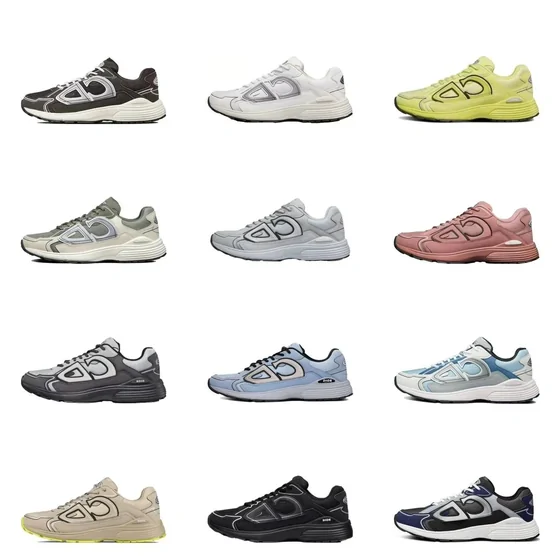
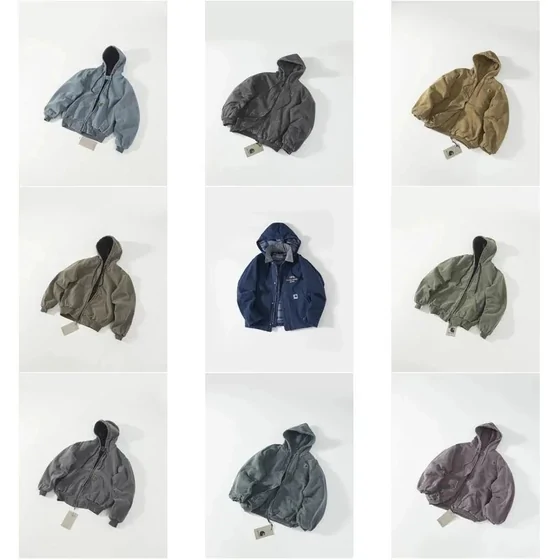
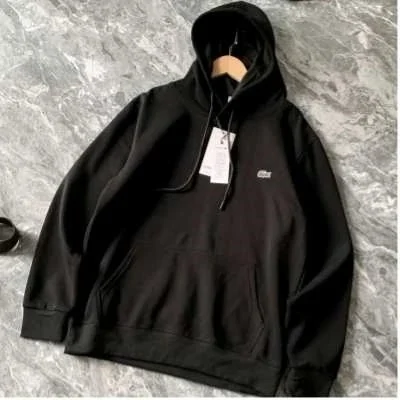
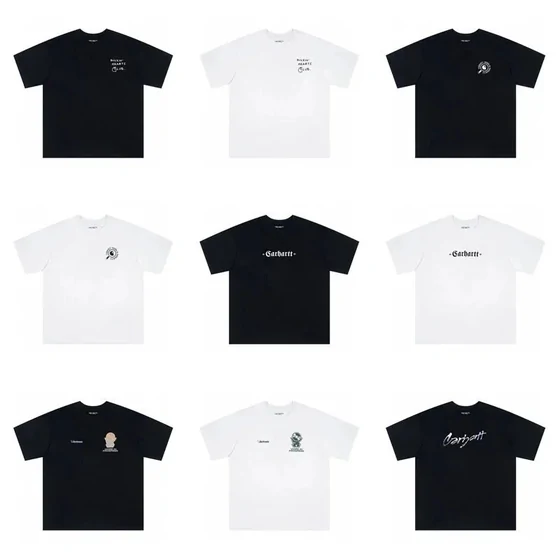
Choose a category, then inspect the actual listing. These photographs identify the shelves; they do not guarantee stock, price or whether an agent can ship an item.
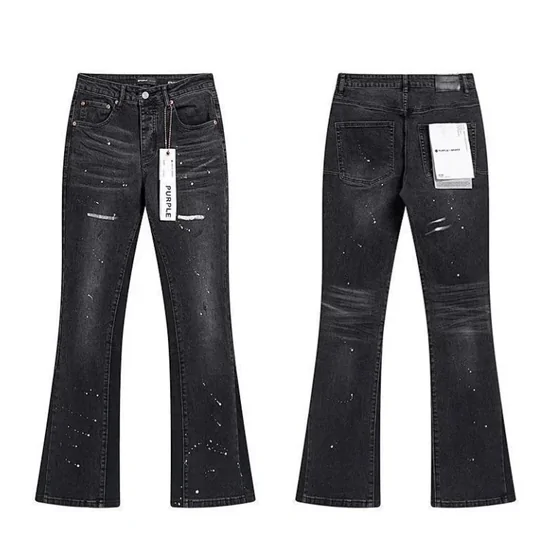
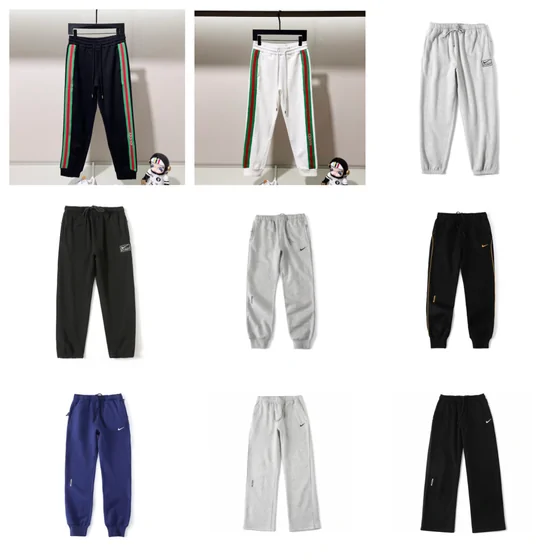
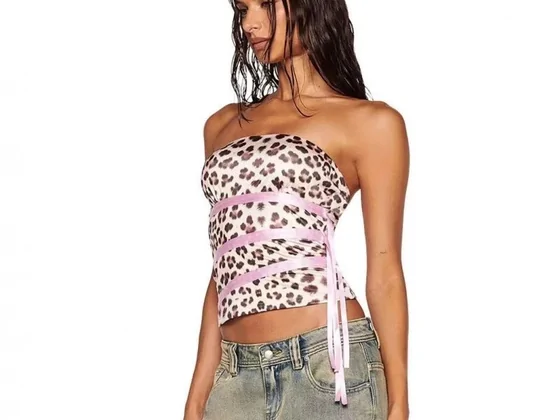
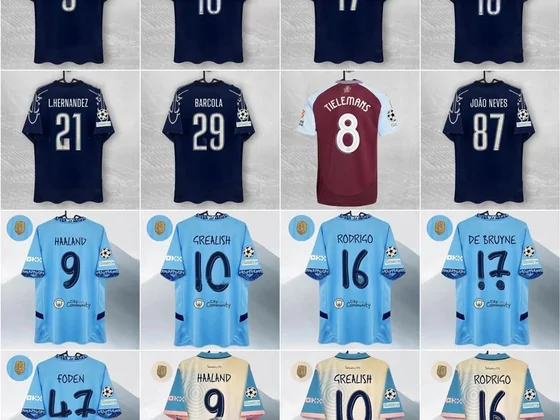
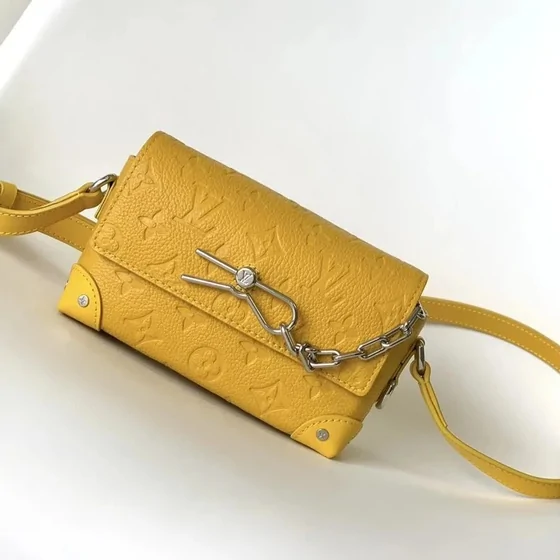
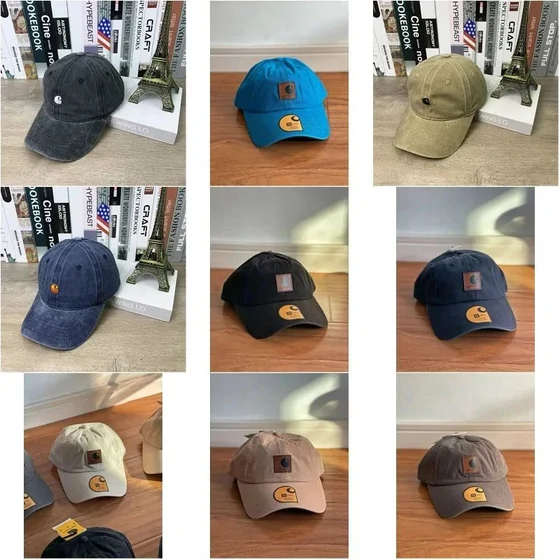
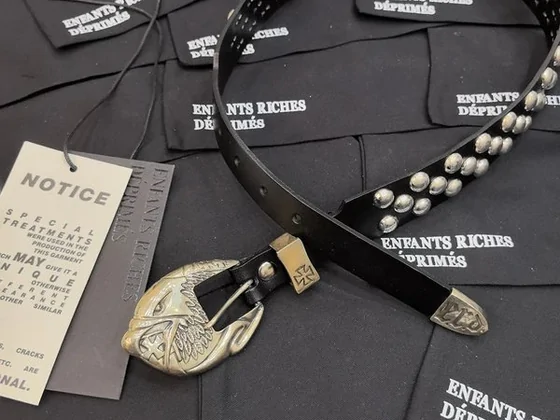
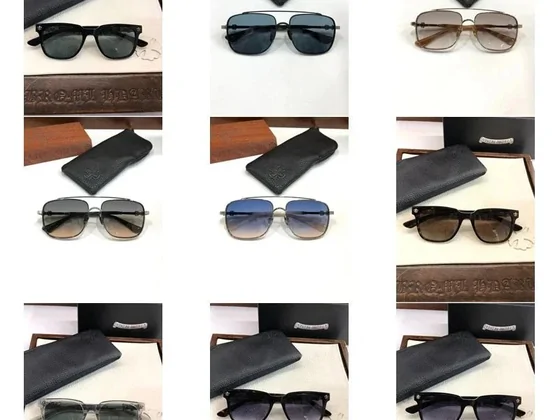
Why the shelves run from skin to outer layer
The order of the shelves follows the national safety code rather than popularity. Pieces that rest on the skin come first because they carry the stricter class B floor; outer layers follow with class C; socks and hats come last because their size lines are written differently.
The code's own examples, in its informative annex, put underwear, shirts, skirts, trousers, socks, towels, swimwear and hats among skin-contact products, and coats, skirts, trousers, curtains and bedspreads among the rest. Skirts and trousers appear in both lists: the maker decides from how the piece is worn, and prints one class per piece.
Sneakers and bags are on the catalog too, but neither carries a class. The safety code and the label-set standard both list shoes, bags and umbrellas as outside their scope, so a tag on a sneaker answers to other rules or to none.
Examples from the safety code annex
| Group | Examples given |
|---|---|
| Infants | diapers, underwear, bibs, sleepwear, gloves, socks, outerwear, hats, bedding |
| Direct skin contact | underwear, shirts, skirts, trousers, socks, sheets, duvet covers, towels, swimwear, hats |
| Little skin contact | outerwear, skirts, trousers, curtains, bedspreads, wall fabric |
| Outside the code | bags, backpacks, shoes, umbrellas, carpets, plush toys |
GB 18401-2010, annex A and table B.1. Anything not listed is classed by its end use.
Using the search box when no shelf fits
The search box at the top of every page sends your words to the catalog search. Plain garment words work best: "cotton tee", "wool socks", "corduroy cap". The catalog does not index label text, so searching for a safety class or a standard number will not find pieces that carry it.
Once a find is open, the label question moves to the seller. A short message asking for a photo of the sewn-in label and the hang tag usually gets a quicker answer than asking about standards in the abstract, and the reply becomes something you can compare with the warehouse photo later.
If a listing already shows its tag, copy the lines into the Declaration stack on the home page. It takes the same fields whether the photo came from a seller or from CNFans.
When deciding what to order from a shelf, let the label break ties. Between two near-identical pieces, prefer the one whose seller will show the tag; for anything a baby will wear, make the infant wording a condition of buying rather than a hope.
What a shelf note can and cannot promise
The notes on each card describe what the standards expect for that kind of garment. They are not a statement about any listing on the shelf. Pieces on the catalog come from many sellers, and in our own sample the label was almost never visible before purchase.
Prices, stock and photos on the catalog change daily. This site does not copy them and does not keep its own product pages; the cards simply open the live category. Category links carry a tracking tag, and a purchase that starts from them can pay this site a referral fee.
If a note on a card turns out wrong for a real garment you received, the corrections address in the footer reaches us, and the note will be rewritten with the date.